

How an e-shop boosts sales with an interactive experience
The problem isn't traffic, but conversion
Most e-shops today have no problem attracting traffic. Through Google Ads, social media, and SEO, they bring users to their site every day. However, sales aren’t following the same trend. The main problem is conversion. The user visits the site, views products, but isn’t convinced enough to make a purchase. This means that the experience within the e-shop isn’t strong enough to convert the visit into a sale.
Translated with DeepL.com (free version)
Why most online stores aren't selling
In the Greek market, most e-shops function simply as product catalogs. Users see photos, perhaps a few options, and a description, but they don’t really understand the product. They can’t view details, compare options, or visualize the final result. This lack of understanding creates uncertainty and leads to a low conversion rate and increased cart abandonment.
If you want to learn more about why a simple photo isn’t enough, read the article: Customers won’t buy unless they “see” the product
What is an interactive e-shop?
An interactive e-shop is based on the concept of online product configuration. Users are not limited to simply viewing products; they can customize them to suit their needs. They select materials, colors, and dimensions and see the result in real time. This experience builds greater trust, increases time spent on the site, and leads to an easier purchasing decision.
How Product Customization Boosts Sales
Product personalization in e-commerce is one of the most powerful drivers of sales growth. When customers actively participate in the process, they feel that the product is “theirs.” They aren’t buying something generic, but something they’ve customized themselves. This process reduces uncertainty, increases engagement, and leads to a significant increase in conversion rates. In more advanced cases, the user can view the product in their own space using a 3D Viewer & AR, gaining a complete picture before making a purchase.
The Role of the 3D Configurator in E-commerce
The technology behind this experience is the 3D configurator. Through this system, users can view the product in 3D, rotate it, and fully understand its form and function. This functions as a digital showroom that brings the customer closer to the product without requiring a physical presence.
From a photo to a product experience
Product photography alone is no longer sufficient to meet the demands of modern e-commerce. Static images cannot effectively showcase every possible configuration, variation, and customization option available for a product. As a result, businesses are increasingly adopting solutions such as E-commerce Integration that enable real-time product configuration and a more complete user experience.
At the same time, the use of product packshots allows companies to generate unlimited product variations without the cost and complexity of traditional photography. By combining automation, product visualization, and digital customization tools, businesses can present extensive product catalogs more efficiently while delivering a richer and more engaging shopping experience.
How Can Cart Abandonment Be Reduced?
Shopping cart abandonment is one of the biggest problems in e-commerce and is directly linked to user uncertainty. When a customer is unsure about a product, they leave. Through the interactive experience and online product configuration, the user sees exactly what they are buying. This reduces doubt and leads to greater trust, and thus a higher conversion rate.
The e-shop as a sales tool
A modern e-shop is not just a platform for showcasing products. It is a sales tool. Through interactivity, it guides the user, explains the product, and helps them make a decision. The more the customer understands what they are buying, the more easily they proceed to purchase. The user experience becomes the key tool for increasing sales.
Conclusion: Experience drives conversion
The success of an e-shop depends not only on how many visitors it has, but on how many of them it converts into customers. Online product configuration, personalization, and the use of 3D technology create an experience that builds trust and leads to more sales. An interactive e-shop isn’t just more modern—it’s more effective.
Σχετική πηγή:
See how product personalization impacts e-commerce in this Shopify article:
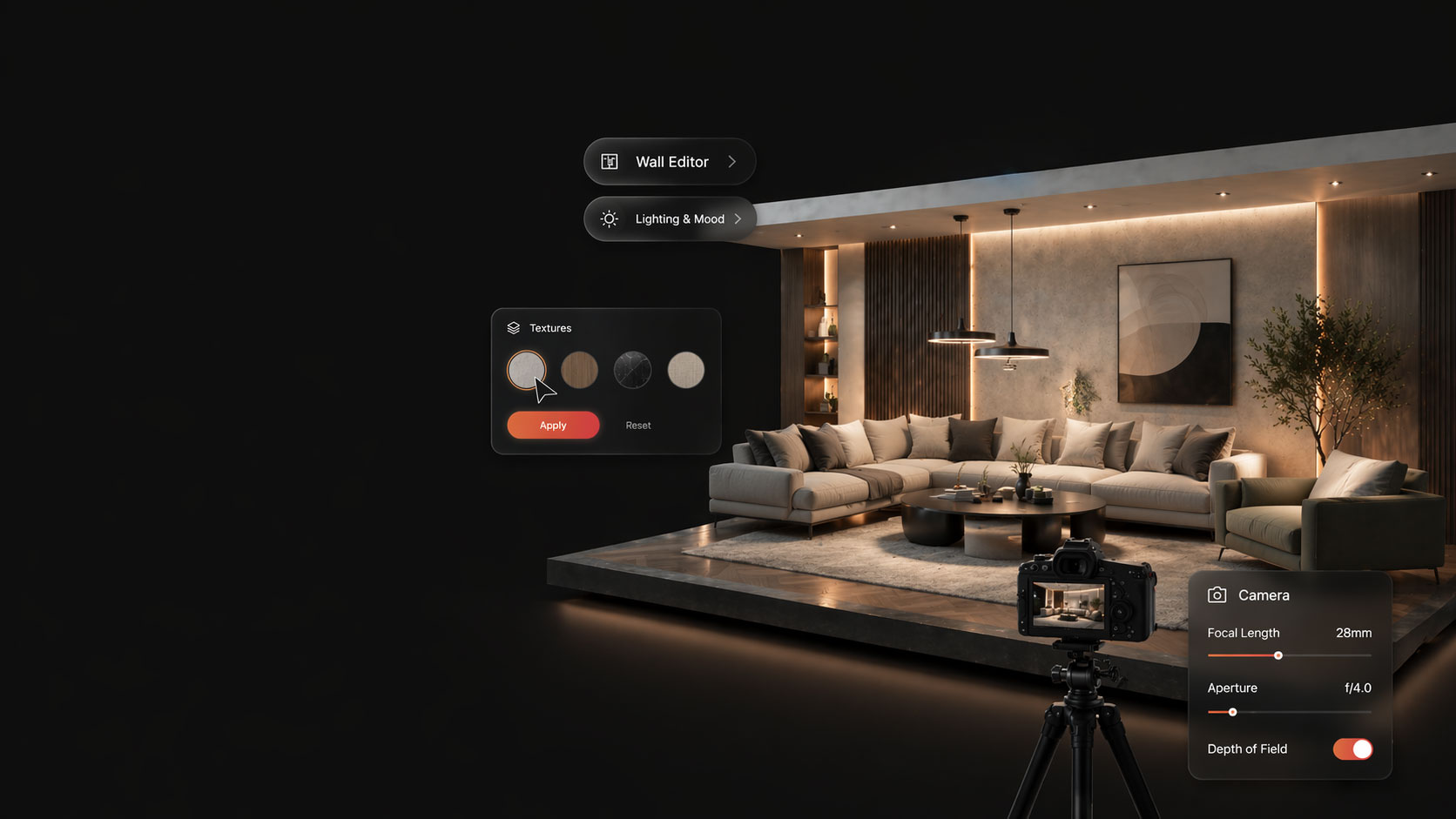
3D Space Configuration with lighting and materials If you want to see how this works in practice in a modern e-shop, discover the 3D Configurator, the E-commerce Integration solution, and the 3D Viewer & AR, which create a true product experience.